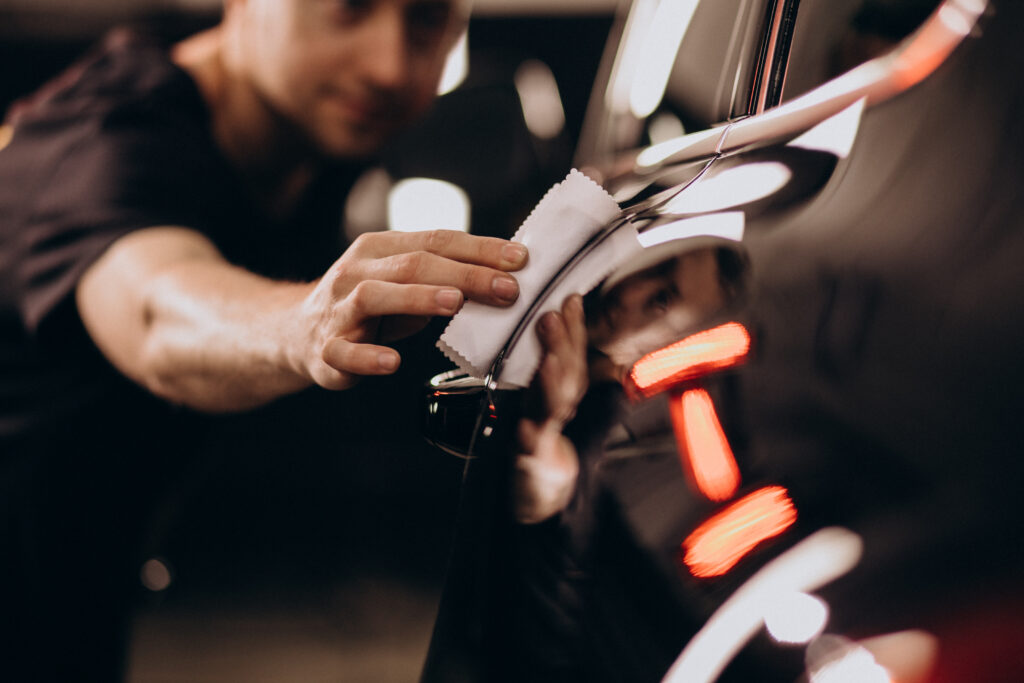
A ceramic coating is one of the most effective ways to protect a vehicle’s paint while making routine cleaning easier and maintaining a glossy, refined appearance. However, simply having a professional ceramic coating applied does not mean your vehicle is permanently protected from every form of damage. Proper ceramic coating maintenance plays an important role in preserving its performance, appearance, and longevity.
Many vehicle owners unknowingly shorten the useful life of their coating through everyday washing habits, improper cleaning products, or neglect. Using an automatic car wash too frequently, washing in direct sunlight, allowing contaminants to remain on the surface, or using harsh chemicals can gradually affect the coating’s hydrophobic properties and overall finish.
For drivers throughout Denver, Greenwood Village, Centennial, Parker, and the surrounding Denver metro area, understanding how to care for a ceramic-coated vehicle can make a significant difference. At Auto Image 360, our team has more than 20 years of combined experience helping vehicle owners protect and maintain their investments.
This guide explains the most common ceramic coating maintenance mistakes, why they matter, and what you can do to keep your vehicle looking its best for years to come.
Why Proper Ceramic Coating Maintenance Matters
Ceramic coating creates a durable protective layer over a vehicle’s paint. Unlike traditional wax, which generally requires frequent reapplication, a professionally installed ceramic coating is designed to provide longer-lasting protection and easier maintenance.
One of the major advantages of ceramic coating is its hydrophobic behavior. Water tends to bead and roll away from the surface, carrying loose dirt and contaminants with it. The coating can also make the paint easier to clean while providing resistance against certain environmental contaminants.
However, hydrophobic performance is not the same thing as immunity.
A ceramic coating can become contaminated, scratched, chemically stressed, or improperly maintained. When owners assume that the coating means they no longer need to wash or care for their vehicle, the surface can gradually lose some of the characteristics that made the coating attractive in the first place.
Good ceramic coating maintenance is therefore about protecting the coating itself while keeping the underlying paint clean and healthy.
This is particularly important in Colorado. Denver-area vehicles can encounter road dust, pollen, bird droppings, tree sap, winter road grime, intense sunlight, and other environmental contaminants throughout the year. Seasonal weather changes can create additional challenges for vehicle owners who want to maintain a high-quality exterior finish.
Ceramic Coating Maintenance Mistake #1: Using Automatic Car Washes Too Often
One of the most common mistakes is relying heavily on automatic car washes.
Automatic washes can be convenient, especially when you are trying to keep your vehicle clean during a busy week. The problem is that not every car wash uses methods that are ideal for a ceramic-coated surface.
Some systems rely on stiff brushes, aggressive cleaning processes, or recycled water that may contain dirt and contaminants. Over time, these methods can contribute to surface marring and reduce the visual quality of the finish.
A ceramic coating does provide protection, but it should not be treated as a shield against improper washing techniques.
For routine maintenance, a careful hand wash using appropriate automotive products is generally a better approach. The objective is to remove dirt without unnecessarily dragging contaminants across the paint.
If you occasionally use an automatic wash because of convenience, understand what type of system it uses. Touchless systems are generally preferable to systems that physically brush against the vehicle, but the chemicals and drying methods still matter.
For a vehicle that has received a professional ceramic coating, a thoughtful washing routine is one of the easiest ways to protect your investment.
Ceramic Coating Maintenance Mistake #2: Washing With the Wrong Products
Not every household cleaning product belongs on automotive paint.
Dish soap, general-purpose household cleaners, abrasive compounds, and other non-automotive products can be inappropriate for maintaining a ceramic-coated vehicle. Some products may be too aggressive, while others may leave residues that interfere with the appearance and behavior of the surface.
A quality automotive shampoo designed for coated vehicles is a better choice.
The goal of maintenance washing is simple: safely remove dirt, dust, and contaminants while minimizing friction and preserving the coating’s surface characteristics.
It is also important to pay attention to towels. Old, rough, or contaminated towels can trap particles that are then dragged across the paint. High-quality microfiber towels designed for automotive detailing are much better suited to the job.
Keeping your washing supplies clean is just as important as choosing the right products.
Ceramic Coating Maintenance Mistake #3: Washing Your Car in Direct Sunlight
Colorado is known for abundant sunshine, and while that is great for enjoying the outdoors, it can make vehicle washing more difficult.
Washing a ceramic-coated vehicle in direct sunlight can cause water and cleaning products to dry on the surface before you have an opportunity to rinse them away. Mineral deposits and water spots can become more noticeable, particularly if your local water contains a higher concentration of dissolved minerals.
Whenever possible, wash your vehicle in a shaded area.
Early morning or later in the day can be better times for washing, provided the surface is cool enough to prevent rapid evaporation. If shade is not available, work in smaller sections and avoid allowing shampoo or water to dry on the paint.
A ceramic coating can make cleaning easier, but it does not eliminate the need for good washing conditions.
Ceramic Coating Maintenance Mistake #4: Allowing Bird Droppings and Tree Sap to Sit Too Long
Environmental contaminants are unavoidable. The important thing is how quickly you address them.
Bird droppings, tree sap, insects, and similar contaminants can contain substances that may be harsh on automotive finishes. Leaving these materials on the surface for extended periods increases the opportunity for them to stain or etch the finish.
A ceramic coating can provide an additional layer of protection, but contaminants should still be removed promptly.
If you notice bird droppings or tree sap on your vehicle, avoid aggressively scrubbing the area. Instead, soften the contaminant with an appropriate automotive cleaning product and carefully remove it using a clean microfiber towel.
This approach reduces unnecessary friction and helps protect both the coating and the paint underneath.
Drivers in the Denver metro area may also notice seasonal increases in certain contaminants. Parking beneath trees, for example, can expose a vehicle to sap and other organic material. Being proactive can make these issues much easier to manage.
Ceramic Coating Maintenance Mistake #5: Using Too Much Pressure During Washing
More pressure does not necessarily mean a cleaner vehicle.
When washing a ceramic-coated vehicle, aggressive scrubbing can introduce unnecessary friction. If dirt particles are trapped between the wash mitt and the paint, excessive pressure can drag those particles across the surface.
Instead, allow the cleaning solution and proper washing tools to do most of the work.
A gentle washing technique should focus on lubrication and controlled movement. Rinse the vehicle thoroughly before washing to remove loose particles, then clean manageable sections rather than trying to rush through the entire vehicle at once.
Pay special attention to areas where dirt accumulates, including lower doors, rocker panels, wheel arches, and rear bumpers.
Good ceramic coating maintenance is not about washing harder. It is about washing smarter.
Ceramic Coating Maintenance Mistake #6: Neglecting the Wheels and Lower Panels
Some owners focus almost entirely on the hood, roof, doors, and other highly visible painted surfaces. However, the lower portions of a vehicle can accumulate substantial amounts of contamination.
Road grime, brake dust, mud, salt, and other materials can build up around wheels and lower body panels. These areas may require more frequent attention than upper surfaces.
Wheel cleaning products should be selected carefully because certain aggressive chemicals can affect nearby coated surfaces or trim if used incorrectly.
It is also wise to use separate tools for wheels and painted bodywork. Brake dust and road debris collected from wheels should not be transferred back onto the vehicle’s paint.
Maintaining the entire exterior creates a more consistent result and helps prevent contamination from being carried from one area of the vehicle to another.
Ceramic Coating Maintenance Mistake #7: Skipping the Rinse
Another overlooked part of ceramic coating maintenance is the final rinse.
Soap residue and loosened contaminants should be thoroughly removed before drying. If residue is left behind, it can create streaks, spots, or an uneven appearance.
The hydrophobic properties of ceramic coating can make rinsing especially satisfying because water may sheet or bead across the surface. However, you should still rinse thoroughly rather than assuming the coating will remove every trace of soap automatically.
After rinsing, drying should be handled carefully with clean microfiber drying towels or an appropriate vehicle drying method.
Never leave large amounts of standing water on the vehicle simply because the coating causes it to bead. Water can still leave mineral deposits as it evaporates.
Ceramic Coating Maintenance Mistake #8: Using Contaminated Towels
Microfiber towels are essential tools for safe automotive maintenance, but they are only effective when they are clean.
A towel that has picked up grit, dirt, or automotive chemicals can become a source of surface contamination. Reusing the same towel for wheels, engine components, and painted panels is especially risky.
Create a simple separation between your detailing towels. Towels used for wheels and heavily contaminated areas should not be used on delicate painted surfaces.
When washing microfiber towels, avoid products that leave behind heavy residues or fabric softeners that can interfere with their performance. Properly washing and storing detailing towels is a small maintenance step that can have a noticeable impact on the condition of your vehicle.
Ceramic Coating Maintenance Mistake #9: Ignoring Water Spots
Water spots are more than a cosmetic inconvenience.
When water evaporates, minerals can remain behind on the surface. If these deposits are repeatedly allowed to accumulate, they can become increasingly difficult to remove.
This is one reason why drying your vehicle properly after washing matters.
If you frequently park outside or wash your vehicle with hard water, pay attention to changes in the appearance of the paint. Water spots that do not disappear with a normal wash may require specialized detailing attention.
Avoid reaching immediately for aggressive polishing products. A ceramic-coated vehicle should be evaluated carefully before attempting corrective work, because inappropriate polishing can affect the coating itself.
When in doubt, professional inspection is often the safest approach.
Ceramic Coating Maintenance Mistake #10: Assuming Ceramic Coating Makes Paint Maintenance Unnecessary
Perhaps the biggest misconception about ceramic coating is that it eliminates maintenance.
It does not.
Ceramic coating is designed to make paint protection and maintenance easier, not to make maintenance unnecessary. Dirt still accumulates. Environmental contaminants still land on the vehicle. Bird droppings still need to be removed. Wheels still collect brake dust, and water spots can still develop.
Think of ceramic coating as part of a vehicle protection strategy.
When combined with proper washing, careful drying, periodic inspections, and professional maintenance when needed, the coating can continue to provide the appearance and protection vehicle owners expect.
This is especially relevant for drivers who invest in maintaining the appearance of luxury vehicles, newer vehicles, performance cars, or daily drivers that are exposed to Colorado’s changing weather conditions.
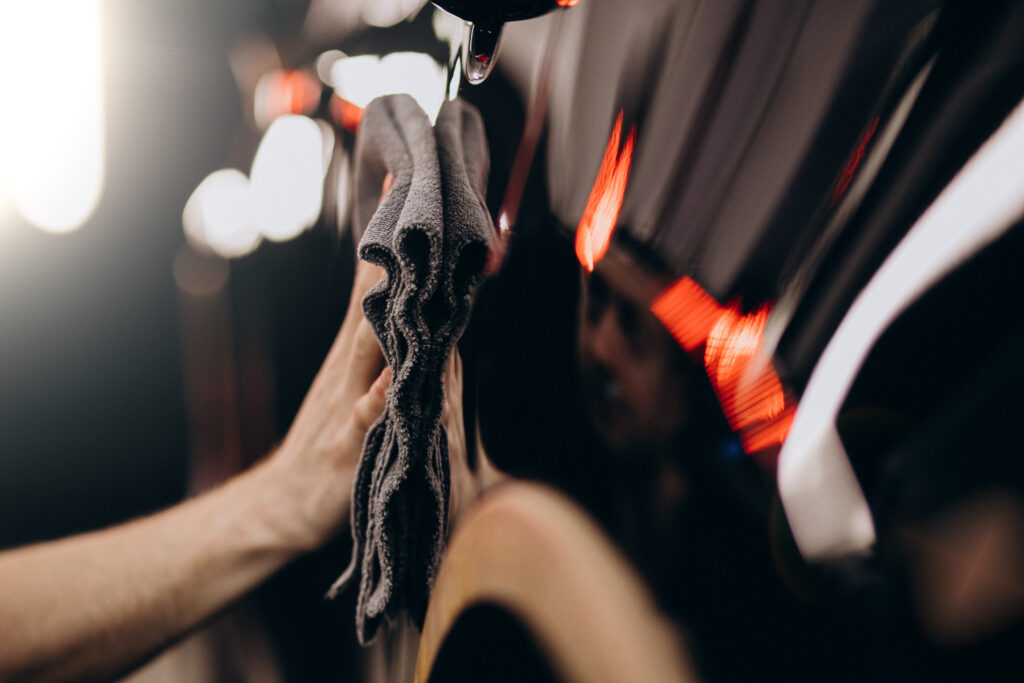
How to Build a Better Ceramic Coating Maintenance Routine
The best maintenance routine is one that you can follow consistently.
For many vehicle owners, a simple routine begins with regular exterior washing using appropriate automotive products and safe techniques. The exact frequency depends on how often the vehicle is driven, where it is parked, and the environmental conditions it encounters.
A vehicle driven daily through Denver traffic and parked outside will typically require more attention than a weekend vehicle stored indoors.
During routine washes, inspect the surface rather than simply cleaning it. Look for areas where water no longer behaves as expected, visible contamination, unusual spots, or changes in gloss.
These observations can help identify problems before they become more difficult to address.
A Practical Maintenance Approach
Start by rinsing the vehicle thoroughly to loosen and remove surface debris. Wash using a high-quality automotive shampoo and clean microfiber equipment. Work from cleaner areas toward more contaminated areas while avoiding excessive pressure.
Rinse thoroughly and dry the vehicle using clean, appropriate microfiber towels.
After drying, inspect the paint under good lighting. If you notice persistent water spots, bonded contaminants, or changes in the coating’s hydrophobic performance, consider professional evaluation rather than experimenting with harsh products.
This approach keeps maintenance predictable and reduces the risk of accidentally damaging the coating.
How Denver Weather Can Affect Ceramic Coating Maintenance
Colorado presents unique conditions for vehicle owners.
Denver and surrounding communities experience strong sun exposure, temperature changes, winter weather, road debris, dust, and seasonal environmental contaminants. Vehicles traveling between Denver, Greenwood Village, Centennial, and Parker can encounter a variety of road and weather conditions in a single week.
Winter driving can introduce additional contaminants, including road treatments and grime. Summer can bring intense sunlight, pollen, insects, and tree sap.
These conditions do not mean ceramic coating is ineffective. In fact, they are some of the reasons vehicle owners choose professional paint protection in the first place. However, they do reinforce the importance of regular maintenance.
The coating performs best when the surface is kept clean and contaminants are addressed before they have an opportunity to become stubborn.
When Should You Have a Ceramic Coating Professionally Maintained?
There are situations when normal washing is no longer enough.
If your vehicle has persistent water spots, unusual staining, reduced hydrophobic behavior, heavy contamination, or a noticeable change in appearance, professional detailing may be appropriate.
It is important to avoid assuming that a coating has failed simply because water is not behaving exactly as it did immediately after installation. Surface contamination can affect water behavior even when the underlying coating remains intact.
A professional can evaluate the condition of the surface and determine whether it needs decontamination, maintenance treatment, or more extensive attention.
At Auto Image 360, professional experience matters because vehicle protection is not a one-size-fits-all process. The appropriate maintenance approach depends on the vehicle, its use, the existing coating, and the conditions it experiences.
Ceramic Coating Maintenance vs. Traditional Wax Maintenance
Ceramic coating and traditional wax serve different purposes, and their maintenance requirements are not identical.
Wax generally provides a temporary protective layer that needs to be reapplied periodically. Ceramic coating is engineered to create a more durable bond with the vehicle’s surface and provide longer-lasting protection.
That does not mean ceramic coating is maintenance-free.
Instead, the advantage is that a properly maintained coating can make routine cleaning easier and help the vehicle retain a glossy appearance between maintenance sessions.
For vehicle owners who want long-term paint protection, ceramic coating can be a valuable part of an overall exterior care strategy. The key is to understand what the coating can do and what it cannot do.
How Professional Ceramic Coating Installation Makes a Difference
Maintenance begins before the first wash.
Professional preparation and installation are critical because a coating is only as effective as the surface and application process beneath it. Paint should be properly cleaned and prepared before the coating is applied.
Professional installation also allows the condition of the vehicle’s paint to be evaluated before protection is added.
At Auto Image 360, our team serves drivers throughout the Denver metro area with automotive protection services designed around the condition and needs of each vehicle. Whether you are protecting a newer vehicle or refreshing the appearance of an older one, proper preparation can help create a stronger foundation for long-term results.
Once the coating is installed, following recommended care instructions helps preserve that investment.
Frequently Asked Questions About Ceramic Coating Maintenance
How often should I wash a car with ceramic coating?
There is no universal schedule because driving and storage conditions vary. A vehicle that is driven daily and parked outdoors may need more frequent washing than a vehicle that is stored indoors. The important principle is to prevent dirt and contaminants from accumulating for extended periods while using safe washing techniques.
Can I take a ceramic-coated car through a car wash?
You can, but the type of car wash matters. Touchless systems are generally preferable to automatic washes that use aggressive brushes. For the best long-term ceramic coating maintenance, carefully performed hand washing with appropriate automotive products is often the better option.
Can I use dish soap on ceramic coating?
Dish soap is not the preferred choice for maintaining a ceramic-coated vehicle. A dedicated automotive shampoo designed for exterior vehicle surfaces is a better option because it is formulated specifically for automotive cleaning and can help minimize unnecessary chemical stress on the surface.
How do I restore the hydrophobic properties of ceramic coating?
Reduced water beading does not necessarily mean the coating has failed. Surface contamination can interfere with hydrophobic behavior. Proper washing and professional decontamination may restore the surface characteristics. If the issue continues, have the coating professionally inspected before attempting aggressive corrective treatments.
Does ceramic coating protect against scratches?
Ceramic coating provides protection against certain environmental contaminants and can improve the durability and cleanability of the surface, but it is not a substitute for physical impact protection. It does not make paint immune to scratches, rock chips, dents, or collision damage.
Protect Your Investment With Proper Ceramic Coating Maintenance
A professionally applied ceramic coating can provide significant benefits for vehicle owners who want easier cleaning, a glossy finish, and added protection against everyday environmental contamination. But even the best coating requires responsible care.
Avoiding common ceramic coating maintenance mistakes can help preserve its appearance and performance. Wash with appropriate automotive products, use clean microfiber equipment, avoid aggressive scrubbing, remove contaminants promptly, prevent water from drying on the surface, and seek professional attention when routine cleaning is no longer enough.
For drivers throughout Denver, Greenwood Village, Centennial, Parker, and the surrounding communities, Auto Image 360 combines more than 20 years of combined experience with professional automotive protection and repair services. Our team understands that every vehicle has different needs, which is why proper preparation, application, and maintenance matter.
If you are considering ceramic coating for your vehicle or need professional guidance on maintaining an existing coating, Auto Image 360 is ready to help. Protect your vehicle’s finish with a professional approach designed for Colorado driving conditions.
Contact Auto Image 360 in the Denver metro area to learn more about professional ceramic coating and vehicle protection services, and take the next step toward keeping your vehicle looking clean, glossy, and protected for the road ahead.