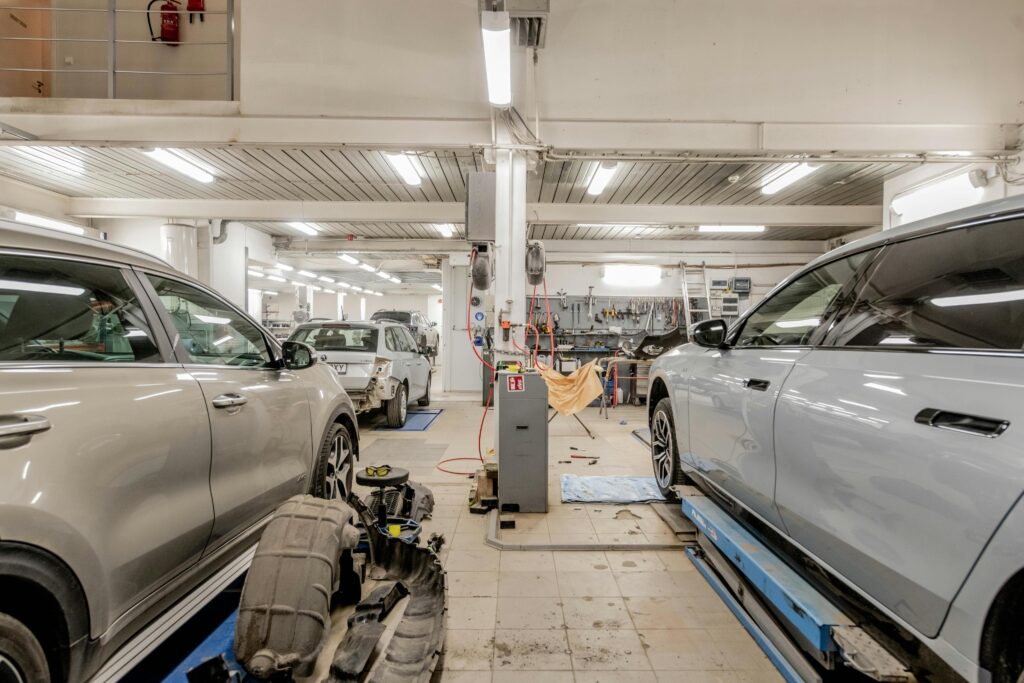
A vehicle collision can happen in an instant, but the repairs that follow often leave drivers with questions. How long will the process take? What repairs are necessary? Will the vehicle look and perform like it did before the accident? Understanding what happens during complete collision repair can help remove uncertainty and make the experience less stressful. Whether you’ve experienced a minor fender bender or significant accident damage, choosing a full-service auto body shop ensures that every aspect of your vehicle’s restoration is handled by experienced professionals.
At Auto Image 360, drivers throughout the Denver metro area trust our team to restore vehicles safely, efficiently, and to manufacturer-quality standards. From dent repair and paint restoration to structural repairs and advanced protective services, our technicians provide comprehensive solutions that help vehicles return to the road looking and performing their best.
This guide explains what to expect during the collision repair process and why selecting a full-service auto body shop can make a significant difference in the final results.
Understanding Complete Collision Repair
Complete collision repair involves much more than fixing visible dents and scratches. Modern vehicles are highly engineered machines with sophisticated safety systems, structural components, sensors, and advanced materials.
When a vehicle is damaged in an accident, multiple systems may be affected, including:
- Exterior body panels
- Structural frame components
- Paint and finish surfaces
- Safety systems
- Electrical components
- Sensors and cameras
- Suspension systems
- Glass and trim pieces
A full-service auto body shop evaluates both visible and hidden damage to ensure the vehicle is fully restored. The goal is not simply cosmetic improvement but returning the vehicle to its pre-accident condition in terms of safety, functionality, and appearance.
The Initial Collision Damage Assessment
The first step in complete collision repair is a thorough inspection.
After arriving at the repair facility, technicians perform a detailed assessment of the vehicle’s condition. While obvious damage is often easy to identify, hidden issues frequently exist beneath damaged panels.
Professional inspections typically include:
- Exterior damage evaluation
- Structural measurements
- Mechanical inspections
- Safety system diagnostics
- Paint damage analysis
- Frame alignment checks
In many cases, technicians use computerized measuring equipment to identify even slight structural misalignments that may not be visible to the naked eye.
This comprehensive evaluation creates the foundation for an accurate repair plan and estimate.
Why Hidden Damage Matters
A seemingly minor collision can create significant issues beneath the surface.
For example, a damaged bumper may conceal broken mounting brackets, sensor damage, or structural impacts. Modern vehicles are designed to absorb crash energy, which means hidden components can become compromised even when exterior damage appears minimal.
Ignoring these issues can affect vehicle safety and long-term performance.
Working with Insurance Companies
Many collision repair projects involve insurance claims.
A reputable full-service auto body shop helps streamline communication between vehicle owners and insurance providers. This coordination often includes:
- Damage documentation
- Repair estimates
- Supplemental claim submissions
- Insurance approvals
- Repair progress updates
Drivers across Denver, Aurora, Centennial, Lakewood, Parker, and surrounding communities often appreciate having an experienced repair team manage much of the insurance process on their behalf.
This reduces paperwork, minimizes delays, and helps ensure all necessary repairs are properly covered.
Disassembly and Damage Discovery
Once repairs are approved, technicians begin the disassembly process.
Removing damaged panels and components allows the team to inspect areas that were previously inaccessible. This stage frequently reveals additional damage that was hidden during the initial assessment.
Examples of hidden damage may include:
- Bent structural supports
- Damaged mounting hardware
- Cracked plastic components
- Electrical wiring issues
- Sensor malfunctions
If additional repairs are necessary, the repair plan is updated accordingly.
Although discovering supplemental damage can slightly extend repair timelines, it helps ensure that all problems are properly addressed before reassembly begins.
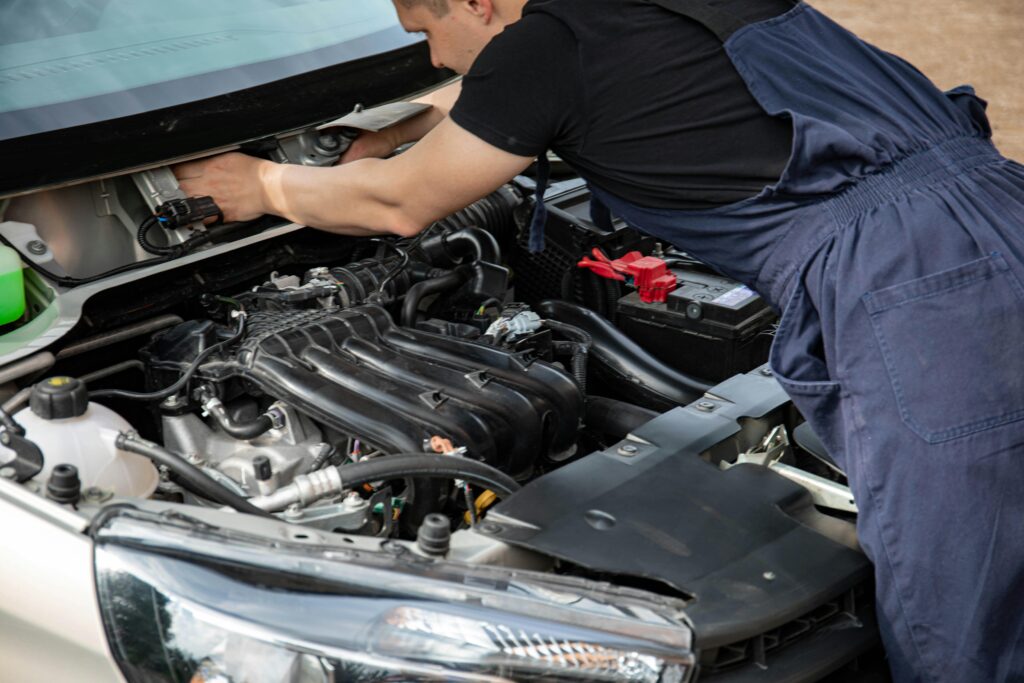
Structural and Frame Repair
One of the most important aspects of complete collision repair is restoring structural integrity.
A vehicle’s frame and structural components are designed to protect occupants during future accidents. Even minor distortions can affect handling, alignment, and crash performance.
Professional collision repair facilities use specialized frame straightening equipment to restore precise factory specifications.
Common structural repair services include:
- Frame straightening
- Unibody repair
- Structural panel replacement
- Reinforcement repairs
- Welding and fabrication
Advanced measuring systems verify that repairs meet manufacturer standards before work progresses to the next phase.
Proper structural repair forms the foundation for all other collision restoration work.
Auto Body Repair and Panel Restoration
After structural issues are corrected, technicians focus on repairing or replacing damaged body panels.
Depending on the extent of damage, repair methods may include:
- Dent removal
- Panel reshaping
- Metal repair
- Plastic repair
- Panel replacement
Whenever possible, technicians preserve original components. However, severely damaged panels may require replacement to ensure proper fit and safety.
Skilled body repair work restores smooth contours and factory appearance while preparing surfaces for refinishing.
Paintless Dent Repair for Minor Damage
In some situations, paintless dent repair (PDR) may be incorporated into the collision repair process.
PDR is particularly effective when dents have not damaged the paint surface. This technique allows technicians to massage dents from behind the panel, preserving the original finish.
Benefits include:
- Faster repair times
- Lower repair costs
- Factory paint preservation
- Environmentally friendly repairs
At Auto Image 360, paintless dent repair is often utilized when appropriate to provide efficient and cost-effective results.
Professional Automotive Paint Matching
Modern automotive paint systems are far more complex than many drivers realize.
Simply selecting the correct paint code does not always guarantee a perfect match. Factors such as age, sun exposure, weather conditions, and manufacturing variations can influence color appearance.
Professional refinishing technicians use advanced paint-matching technology to achieve seamless results.
The process typically includes:
- Digital color analysis
- Paint mixing
- Test spray verification
- Blend techniques
- Multi-stage finishing
The goal is to make repaired areas indistinguishable from the surrounding factory finish.
Surface Preparation and Refinishing
High-quality paint work begins long before color is applied.
Proper preparation is essential for durability and appearance. Technicians carefully prepare repaired surfaces through a multi-step process that may include:
- Sanding
- Priming
- Surface leveling
- Sealing
- Cleaning
Once preparation is complete, paint is applied within controlled spray booth environments designed to minimize contamination and maximize finish quality.
Clear coat application follows, providing gloss, depth, and protection.
After curing, technicians perform polishing and finishing procedures to achieve a factory-quality appearance.
Reassembly and Component Installation
Following paint and body repairs, technicians begin reassembling the vehicle.
This stage includes reinstalling:
- Body panels
- Bumpers
- Lighting components
- Trim pieces
- Sensors
- Mirrors
- Glass components
- Interior parts
Careful reassembly ensures proper fitment and functionality throughout the vehicle.
Even minor alignment issues can affect appearance and performance, making attention to detail critical during this phase.
Advanced Safety System Calibration
Today’s vehicles contain a wide range of Advanced Driver Assistance Systems (ADAS).
These technologies may include:
- Lane departure warnings
- Adaptive cruise control
- Collision avoidance systems
- Blind spot monitoring
- Parking sensors
- Forward-facing cameras
Even a relatively minor collision can impact sensor positioning and calibration.
After repairs are completed, technicians perform recalibration procedures to ensure safety systems operate correctly.
This step is increasingly important as modern vehicles rely heavily on electronic safety technologies.
Quality Control and Final Inspection
Before returning a vehicle to its owner, a full-service auto body shop conducts extensive quality inspections.
These evaluations help verify that every repair meets established standards.
Inspection areas often include:
- Paint quality
- Panel alignment
- Structural integrity
- Mechanical operation
- Safety systems
- Lighting functionality
- Interior cleanliness
Technicians may also perform road testing when necessary to confirm proper vehicle performance.
This final review helps ensure customers receive a vehicle that looks and drives as intended.
Additional Services Available at a Full-Service Auto Body Shop
One advantage of choosing a full-service facility is access to additional vehicle protection and enhancement services.
Many customers choose to protect their newly restored vehicle with services such as:
Ceramic Coating
Ceramic coatings create a durable protective layer that helps defend paint against contaminants, UV exposure, and environmental damage.
Benefits include:
- Easier maintenance
- Enhanced gloss
- Increased durability
- Improved resistance to staining
Clear Bra Paint Protection Film
Clear bra, also known as paint protection film (PPF), provides a transparent barrier against:
- Rock chips
- Road debris
- Scratches
- Bug damage
Denver-area drivers frequently choose PPF due to Colorado’s highways, mountain roads, and varying weather conditions.
Window Tinting
Professional window tinting offers benefits such as:
- UV protection
- Reduced interior heat
- Improved privacy
- Enhanced appearance
Combining these services with collision repair can help maintain a vehicle’s appearance long after restoration is complete.
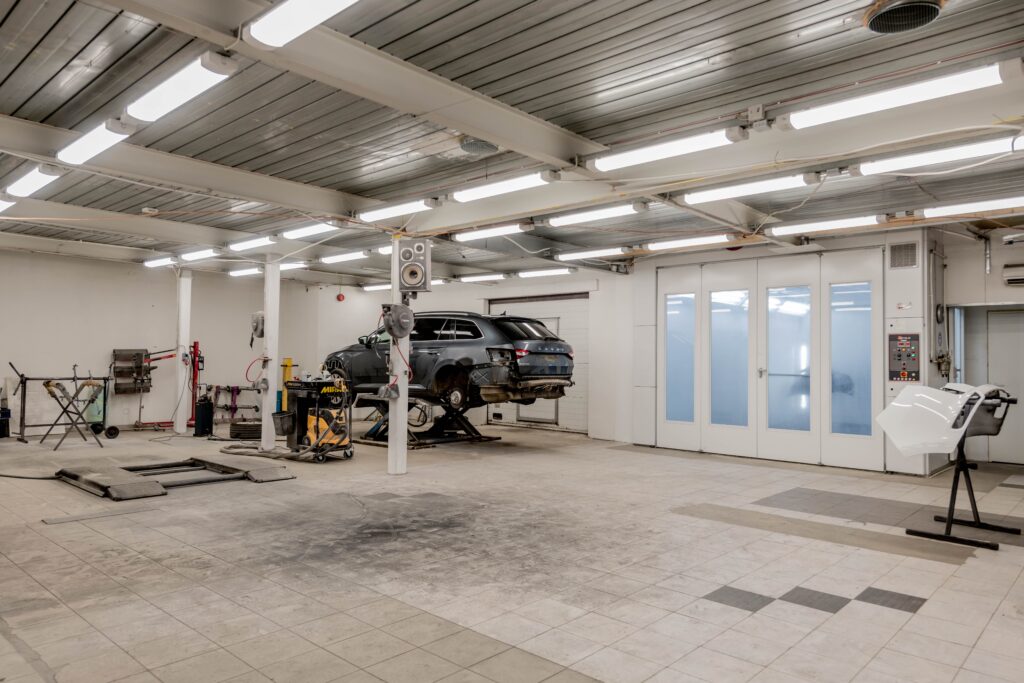
Why Local Drivers Choose Full-Service Collision Repair
Vehicle owners throughout the Denver metro area often prefer full-service collision centers because they provide a complete solution under one roof.
Instead of coordinating with multiple vendors, customers receive comprehensive support from a single team.
Advantages include:
- Streamlined communication
- Faster project management
- Consistent quality standards
- Simplified insurance coordination
- Greater accountability
Whether serving drivers in Denver, Aurora, Centennial, Littleton, Parker, Lakewood, Highlands Ranch, or surrounding communities, full-service repair facilities help simplify the recovery process after an accident.
How Long Does Complete Collision Repair Take?
Repair timelines vary based on several factors.
Common influences include:
- Severity of damage
- Parts availability
- Insurance approvals
- Structural repair requirements
- Paint curing processes
- Calibration needs
Minor repairs may take only a few days, while major collision repairs can require several weeks.
A reputable auto body shop will provide regular updates throughout the process and communicate any changes to projected completion dates.
Choosing the Right Collision Repair Shop
Not all repair facilities offer the same level of expertise and service.
When evaluating collision repair providers, consider:
- Experience and reputation
- Repair capabilities
- Technology and equipment
- Insurance assistance
- Customer reviews
- Warranty coverage
- Range of services
Selecting an experienced shop can significantly impact both repair quality and overall customer satisfaction.
For Denver-area drivers, working with a trusted local provider helps ensure repairs are completed correctly and efficiently.
Frequently Asked Questions
How do I know if my vehicle has frame damage?
Frame damage is not always visible. Signs may include uneven gaps between panels, steering issues, alignment problems, or unusual handling characteristics. A professional inspection is the best way to determine structural damage.
Will my vehicle look the same after collision repair?
A qualified collision repair facility uses advanced repair techniques and paint-matching technology to restore the vehicle’s appearance as closely as possible to its pre-accident condition.
Can I choose my own collision repair shop?
In most cases, yes. Vehicle owners generally have the right to select the repair facility they prefer, regardless of insurance company recommendations.
How long does paint take to cure after collision repair?
While paint may be dry to the touch relatively quickly, complete curing can take several weeks depending on materials and environmental conditions.
Is paintless dent repair suitable after every collision?
No. Paintless dent repair works best when dents have not cracked or damaged the paint surface. A technician can determine whether PDR is appropriate for a specific repair.
Trust Auto Image 360 for Complete Collision Repair in the Denver Metro Area
Collision damage can be stressful, but choosing the right repair partner makes the process much easier. A full-service auto body shop provides comprehensive solutions that address everything from structural repairs and paint restoration to safety system calibration and long-term vehicle protection.
At Auto Image 360, our experienced team delivers professional collision repair services for drivers throughout Denver, Aurora, Centennial, Parker, Lakewood, Littleton, Highlands Ranch, and surrounding communities. With over 20 years of combined experience, we are committed to restoring vehicles safely, efficiently, and with exceptional attention to detail.
Whether you’ve experienced a minor accident or major collision damage, our technicians have the expertise, equipment, and dedication necessary to return your vehicle to pre-accident condition.
Contact Auto Image 360 today to schedule an inspection and receive a free quote for complete collision repair in the Denver metro area.